Glaciers, lights, and the living island
Iceland’s nature told under a glass dome.
Table of Contents
Origins of Perlan and Öskjuhlíð
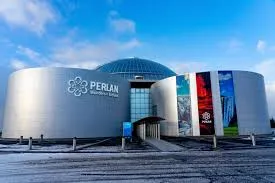
Öskjuhlíð rises gently above Reykjavík — a hill threaded with pines, paths, and the quiet hum of the city below. In the mid‑20th century, Reykjavík’s growing needs led to an engineering solution here: massive hot‑water tanks, practical and strong, tucked into the landscape to keep homes warm. They were utility first, a backbone hidden in plain sight.
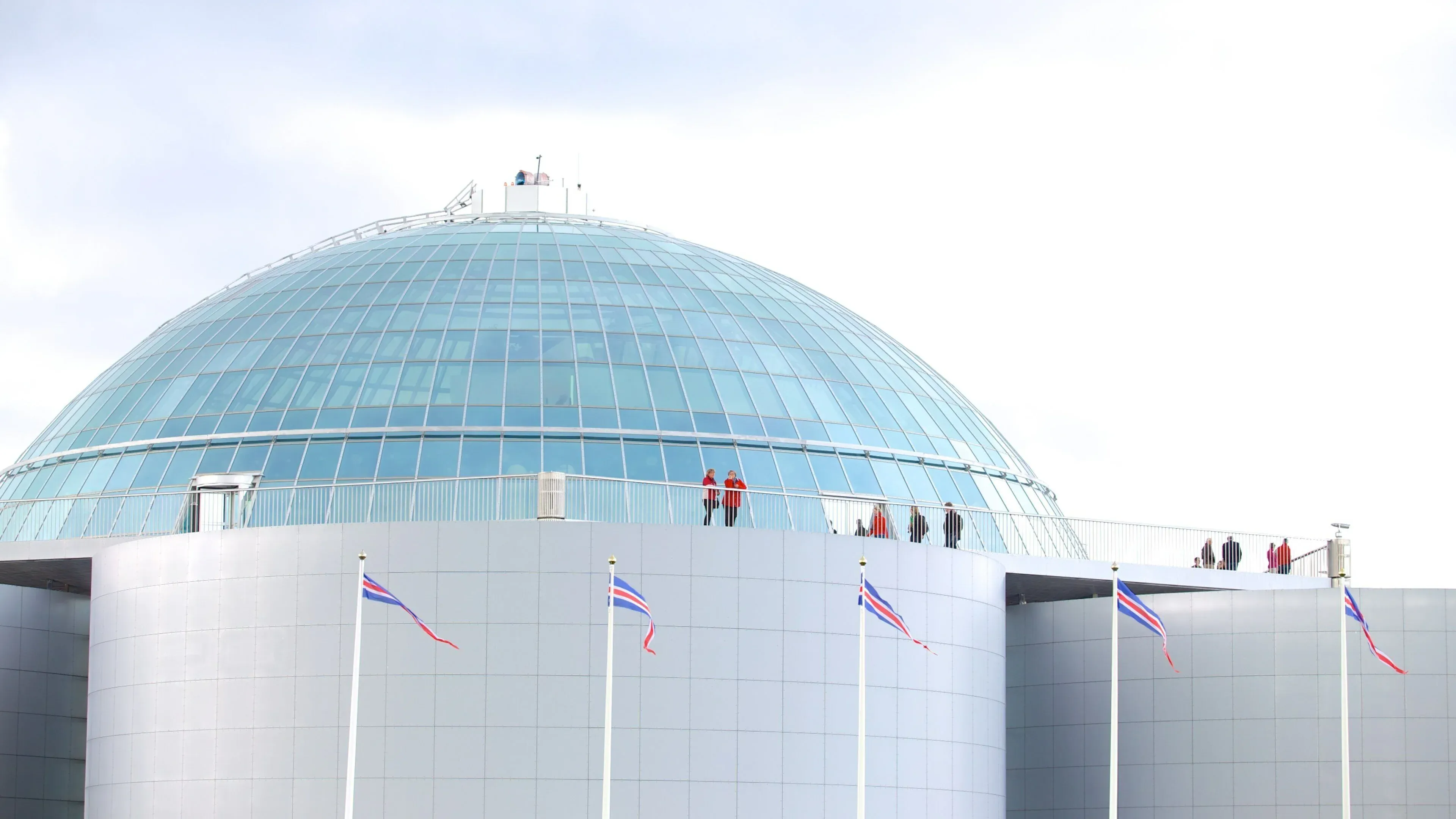
Decades later, imagination turned infrastructure into invitation. A glass dome crowned the hill; pathways opened; a round building with a ring of decks began reflecting sky and trees. Perlan emerged not by erasing its past but by folding it in — the tanks remained, their curves becoming galleries and stories. It’s very Reykjavík: make a useful thing beautiful, then invite the city in.
Shaping Iceland’s story indoors
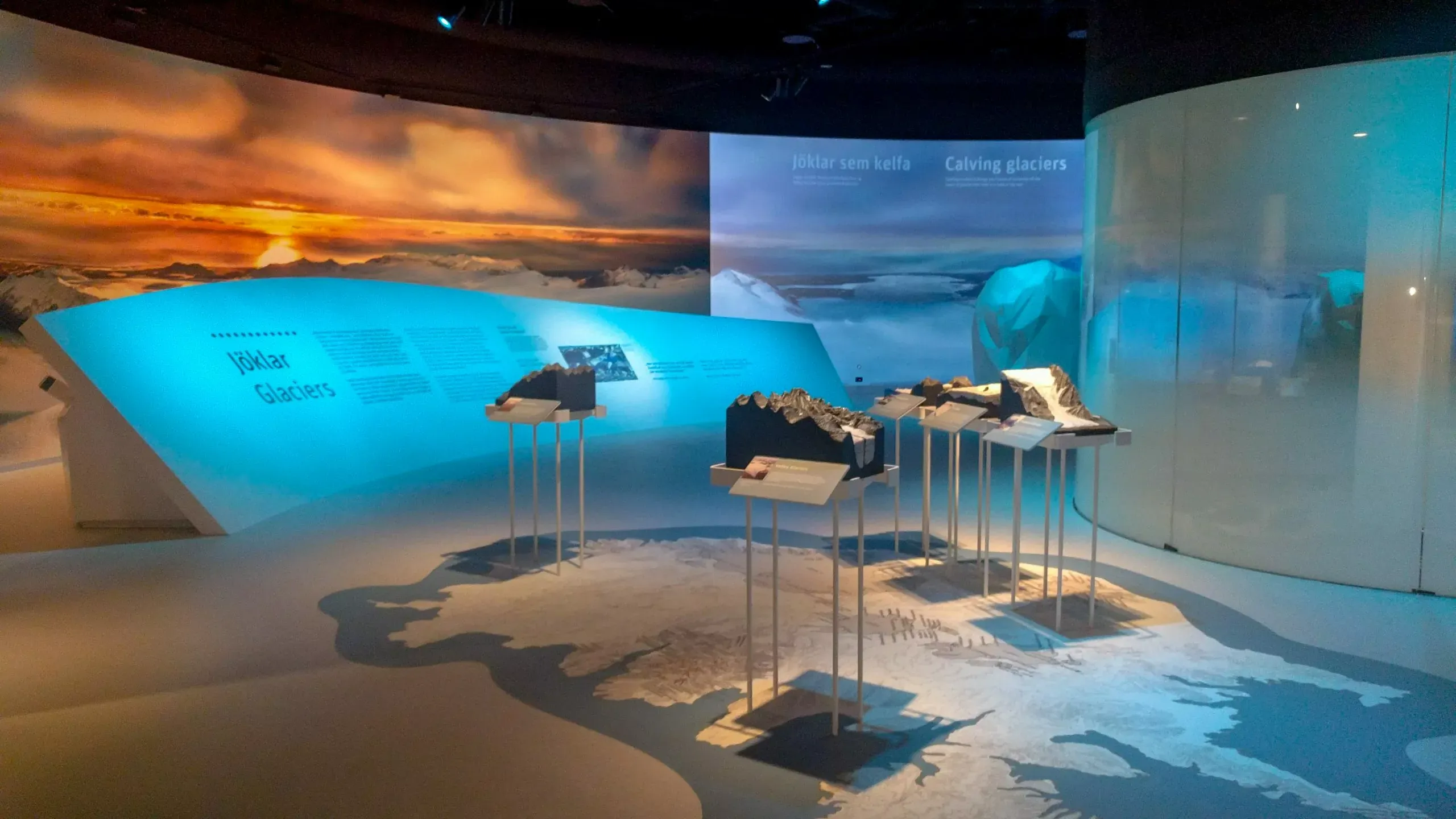
Perlan’s mission grew from a simple idea: bring the essentials of Iceland’s nature under one roof so anyone can understand them — and feel them. Volcanoes and lava fields, glaciers and ice, winds and birds, the Northern Lights — not as postcards, but as living systems. Museums can be quiet or dazzling; Perlan is both: clear science woven with art, music, and texture.
Designers, scientists, and storytellers collaborated to build sets you walk through, sounds you hear, models you can touch, and films that use a dome like the sky itself. The result is a place where a child can ask big questions, and a traveler can make sense of what they saw on the road — a gentle bridge between curiosity and understanding.
Northern Lights at Perlan
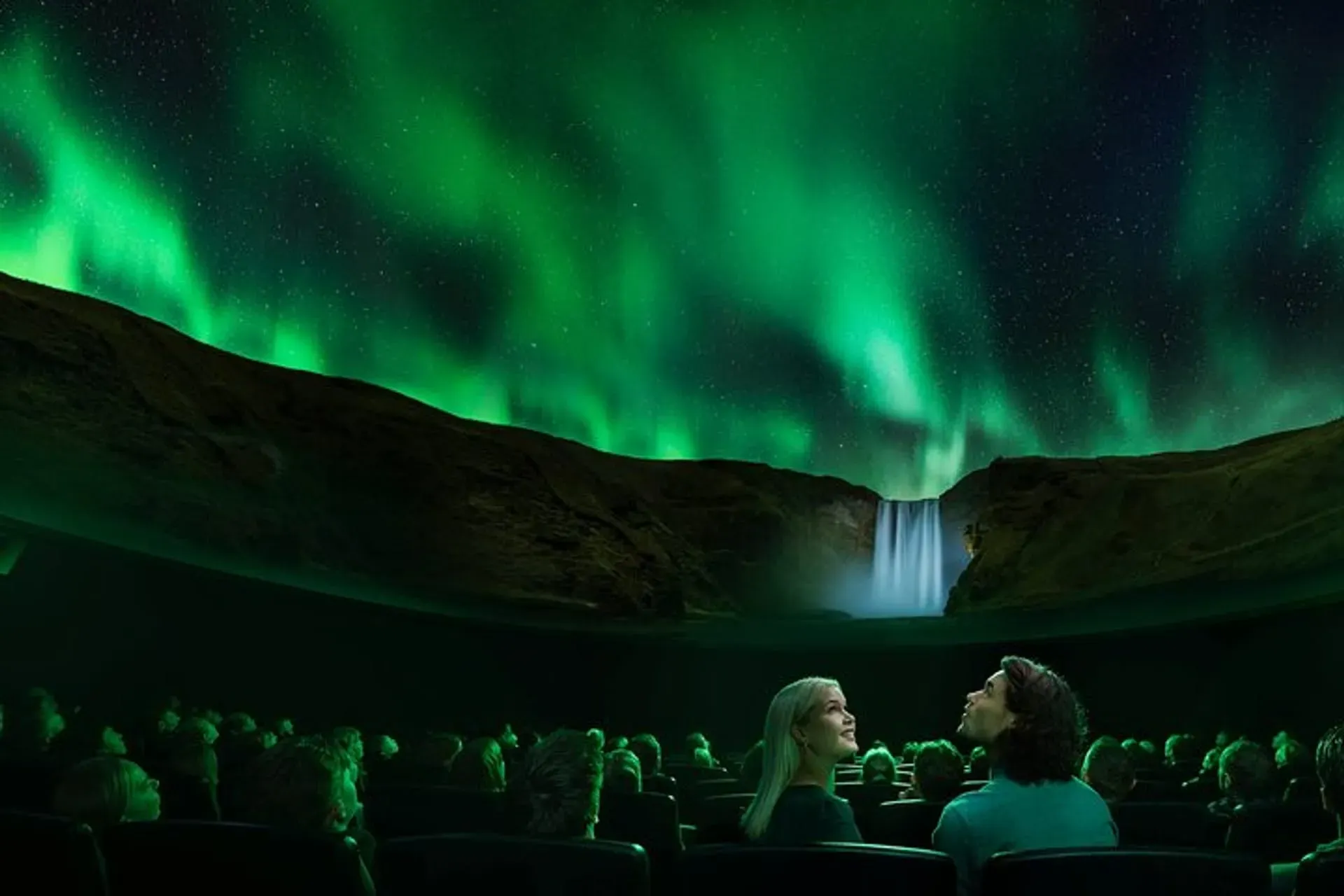
Áróra is a love letter to the aurora. The show arcs across the planetarium in washes of green and violet, then draws you close to the physics behind the colour — solar winds, geomagnetism, atmospheric gases — the quiet dance of particles becoming light. What could be complicated becomes simple and moving.
But Áróra is also human: music swells, stories flicker, and island folklore steps gently alongside science. You leave not only knowing why the lights appear, but feeling a little bit why they matter — a sky made of memory and electricity.
From tanks to museum
The old water tanks are the bones of Perlan. Their round forms shape corridors and galleries, their solidity makes the building feel calm. Instead of hiding them, the museum keeps them visible — a reminder that modern cities rest on smart, quietly heroic engineering.
This transformation respects both function and place. The dome opens to the horizon; the decks carry you into weather; the inside gathers the island’s elements in soft light. Practical roots, playful present.
Walkways, forests & city views
Outside, Öskjuhlíð is a small refuge in the city — a ring of trails and viewpoints that locals use at lunch, at dusk, and when the wind calms. You can circle Perlan, watch planes dip toward the airport, and count rooftops down to the harbour.
The observation deck pulls this together: sea, mountains, neighbourhoods, clouds. Reykjavík is not dramatic like a glacier; it’s gentle like a good walk — Perlan lets you see that.
Ice cave & hands‑on exhibits
The man‑made ice cave is a small miracle: safe, close, and textured like the real thing. Blue light pools, crystals gloss the walls, and you feel how glaciers are both delicate and vast.
Around it, the Wonders of Iceland exhibits let you test ideas with your hands and eyes: a glacier’s movement, a volcano’s heat, a bird’s migration, an ocean’s current. It’s learning by doing, not just reading.
Buses, paths & routes
Perlan sits close to bus lines and bike paths; taxis and rideshares reach the top quickly. Many visitors simply walk — a short, steady climb through trees.
Guided showtimes bundle time neatly; self‑guided visits let you wander. If the weather changes (and it will), the museum welcomes you inside without missing a beat.
Safety & accessibility
Perlan provides lifts, ramps, and well‑marked routes; staff are available to assist. The deck’s railings are sturdy; surfaces are maintained year‑round.
Access may adjust during severe weather or maintenance. Check updates and let the team know if you need any help — Reykjavík hospitality is real.
Events and culture
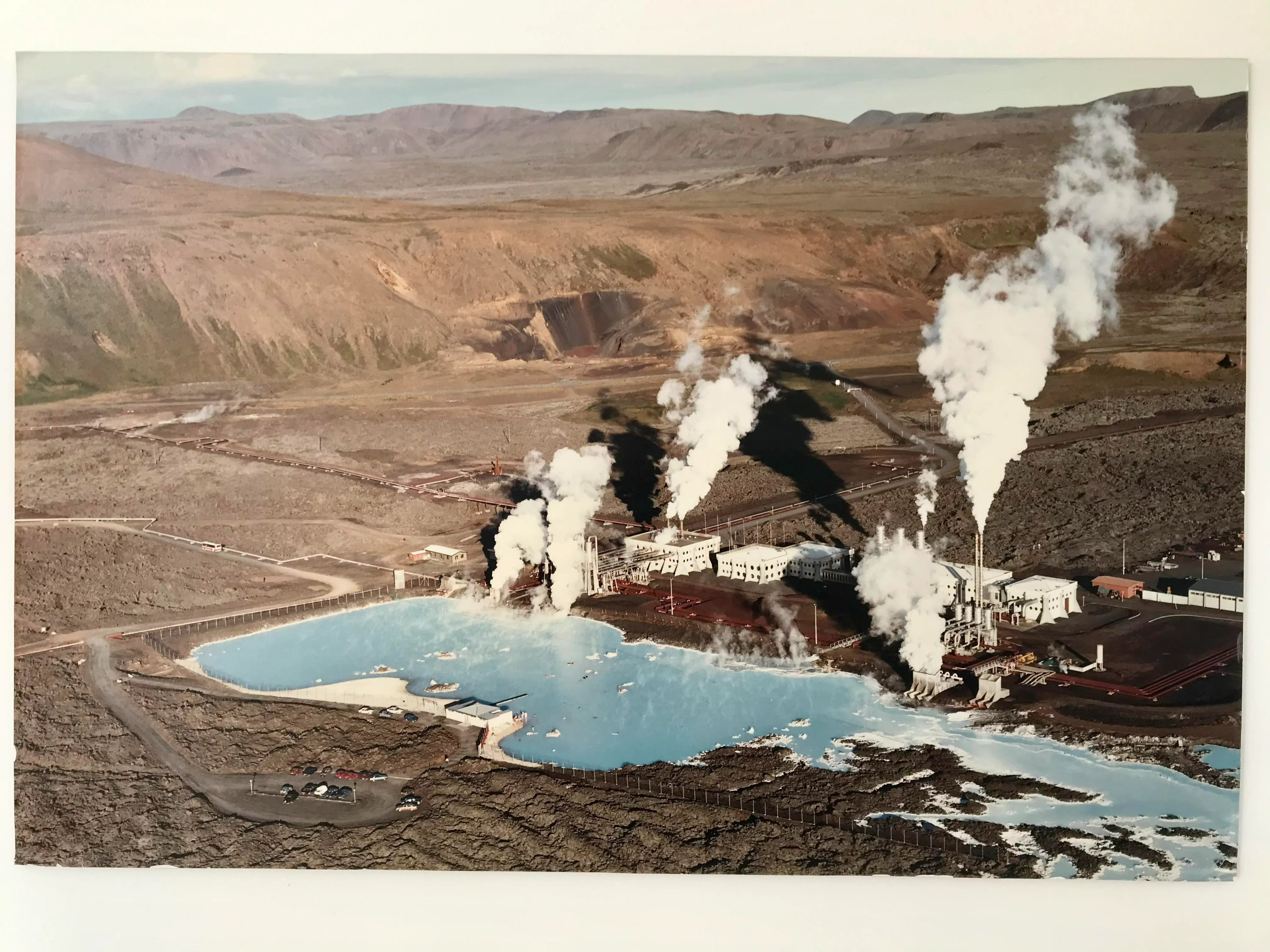
Perlan occasionally hosts exhibitions, talks, and seasonal moments — science and art in conversation, under a dome made for gathering.
Watch for family days, collaborations with schools, and special aurora evenings when the city looks up together.
Tickets, passes & combos
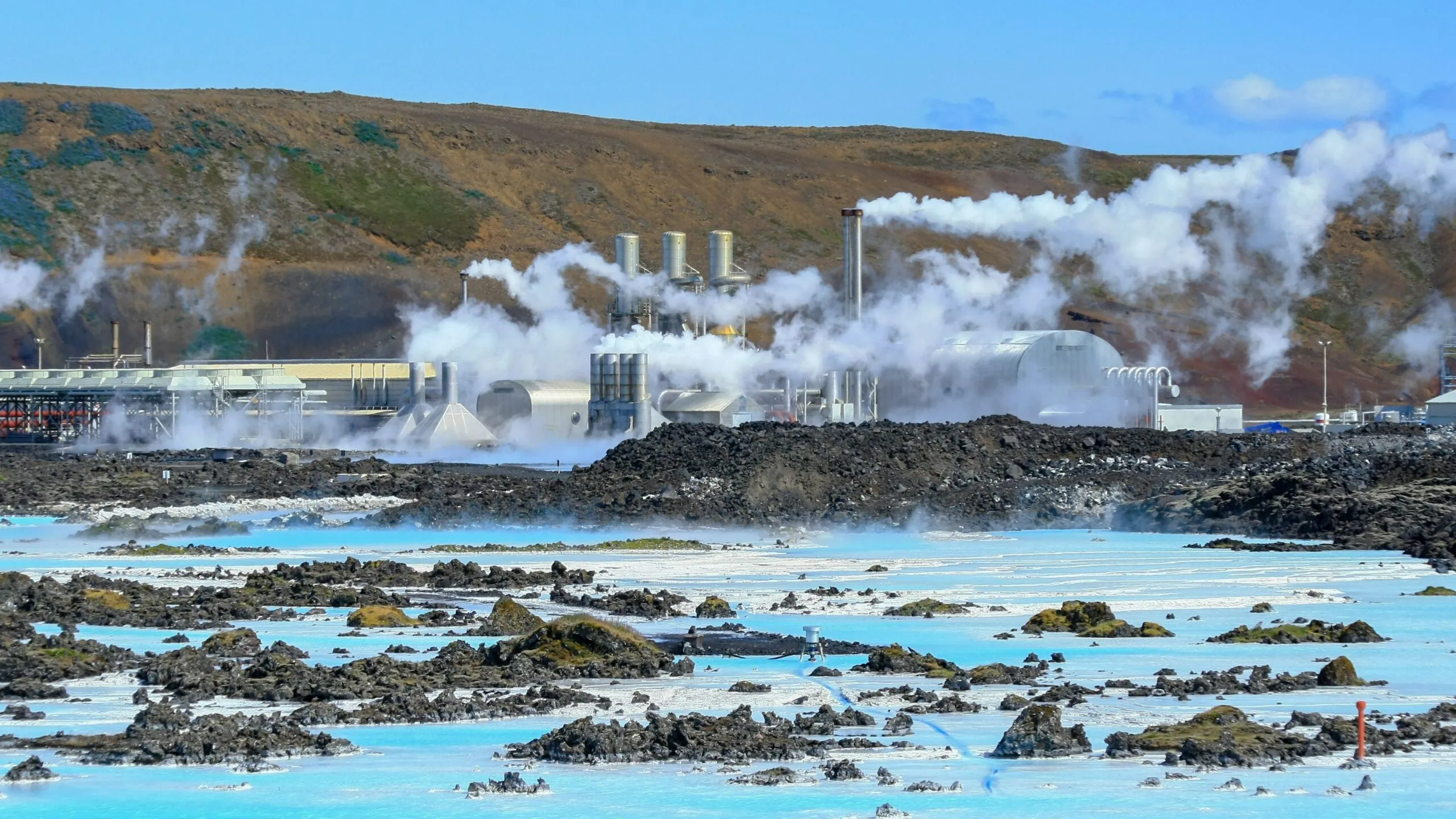
Book Áróra showtimes online and add the ice cave; combo tickets simplify the day and often save money.
Check current offers and family packages; flexibility helps if your plans shift with the weather.
Preservation & sustainability
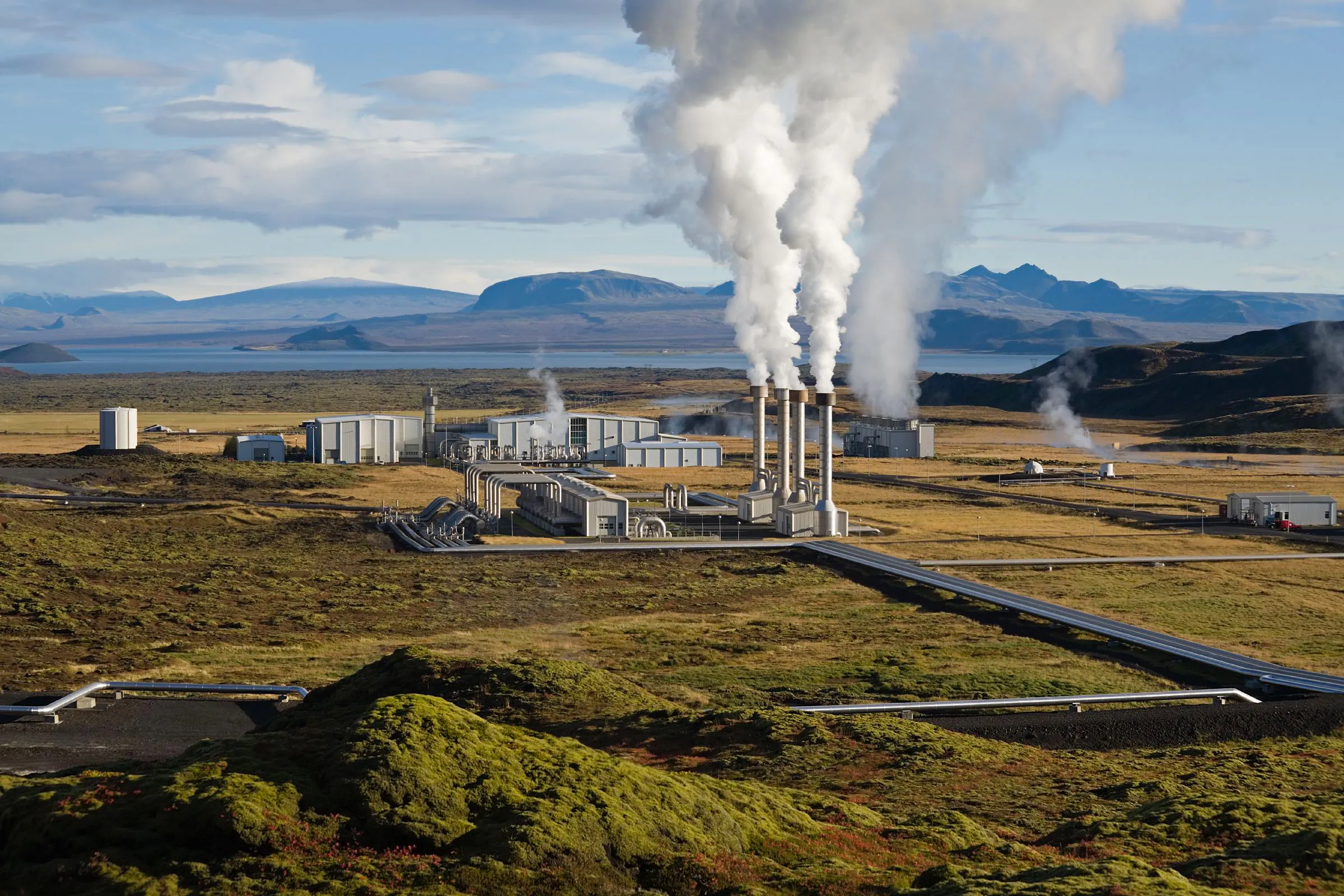
Perlan teaches care by showing how systems connect: glaciers to rivers, volcanoes to air, oceans to birds. Understanding makes protection feel natural.
Choose responsible timings, support local learning, and carry the stories outward — good tourism is simply kindness scaled up.
Nearby nature & viewpoints
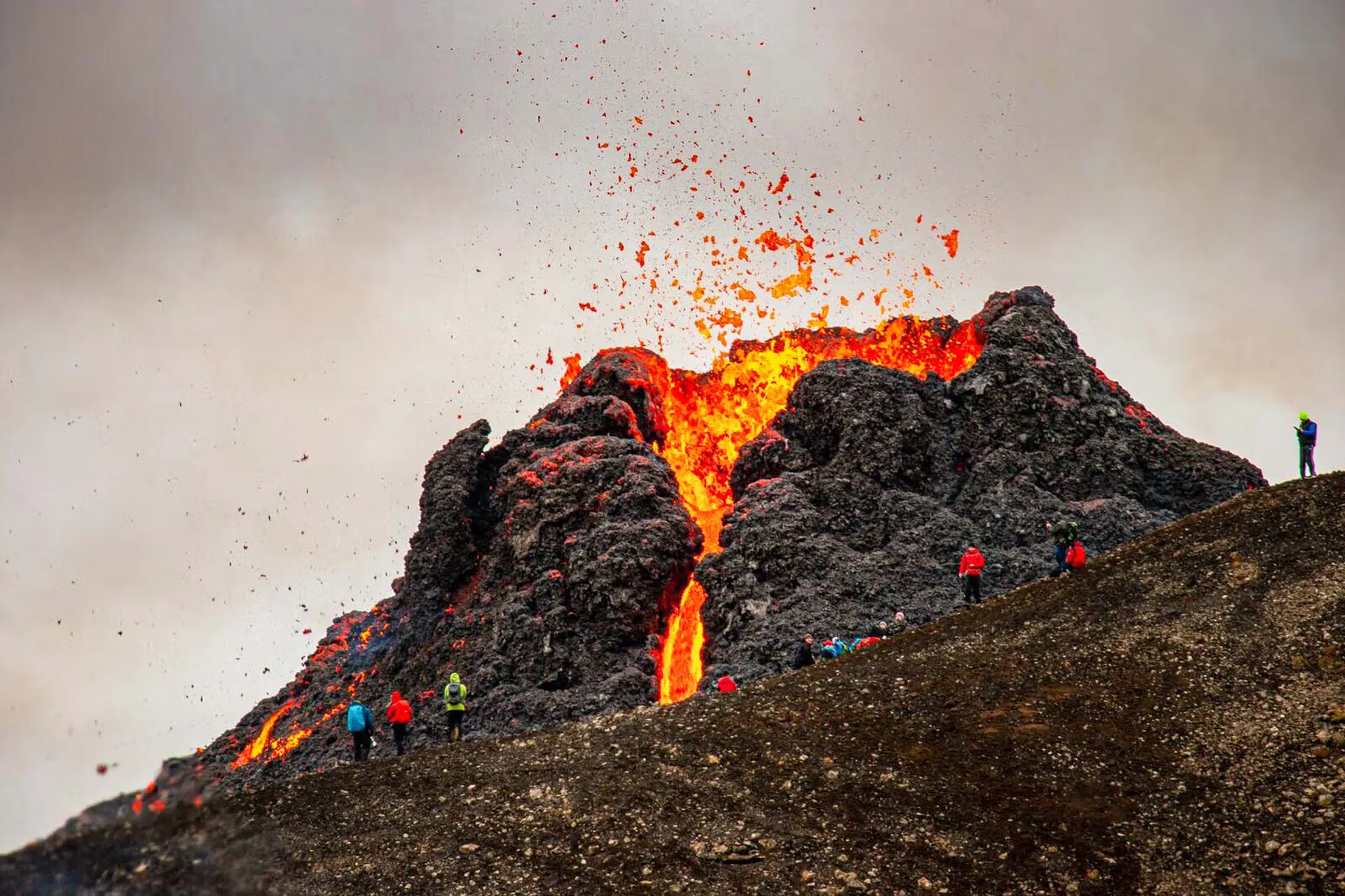
Öskjuhlíð’s trails wrap the hill; small viewpoints overlook the runway and harbour. A short walk turns a museum day into a city‑in‑nature day.
Further afield, you can connect Perlan to coastal paths or downtown galleries — Reykjavík rewards meandering.
Why Perlan matters
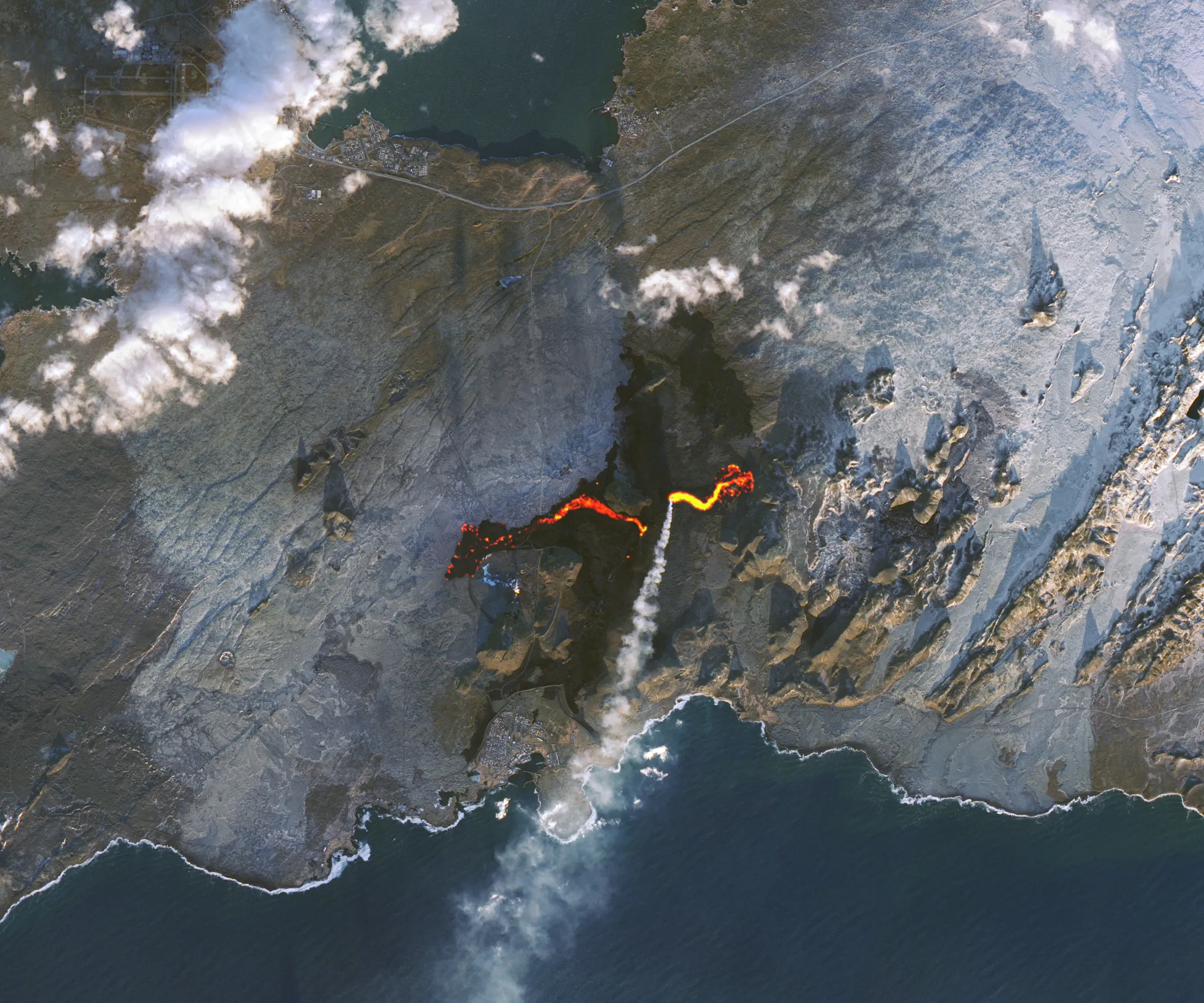
Perlan turns infrastructure into insight: a practical past becoming a place where learning feels like wonder. It’s a city’s heart looking outward.
If you have only a few hours in Reykjavík, Perlan gives you Iceland’s essentials — light, ice, fire, and view — under one welcoming dome.
Table of Contents
Origins of Perlan and Öskjuhlíð
Öskjuhlíð rises gently above Reykjavík — a hill threaded with pines, paths, and the quiet hum of the city below. In the mid‑20th century, Reykjavík’s growing needs led to an engineering solution here: massive hot‑water tanks, practical and strong, tucked into the landscape to keep homes warm. They were utility first, a backbone hidden in plain sight.
Decades later, imagination turned infrastructure into invitation. A glass dome crowned the hill; pathways opened; a round building with a ring of decks began reflecting sky and trees. Perlan emerged not by erasing its past but by folding it in — the tanks remained, their curves becoming galleries and stories. It’s very Reykjavík: make a useful thing beautiful, then invite the city in.
Shaping Iceland’s story indoors
Perlan’s mission grew from a simple idea: bring the essentials of Iceland’s nature under one roof so anyone can understand them — and feel them. Volcanoes and lava fields, glaciers and ice, winds and birds, the Northern Lights — not as postcards, but as living systems. Museums can be quiet or dazzling; Perlan is both: clear science woven with art, music, and texture.
Designers, scientists, and storytellers collaborated to build sets you walk through, sounds you hear, models you can touch, and films that use a dome like the sky itself. The result is a place where a child can ask big questions, and a traveler can make sense of what they saw on the road — a gentle bridge between curiosity and understanding.
Northern Lights at Perlan
Áróra is a love letter to the aurora. The show arcs across the planetarium in washes of green and violet, then draws you close to the physics behind the colour — solar winds, geomagnetism, atmospheric gases — the quiet dance of particles becoming light. What could be complicated becomes simple and moving.
But Áróra is also human: music swells, stories flicker, and island folklore steps gently alongside science. You leave not only knowing why the lights appear, but feeling a little bit why they matter — a sky made of memory and electricity.
From tanks to museum
The old water tanks are the bones of Perlan. Their round forms shape corridors and galleries, their solidity makes the building feel calm. Instead of hiding them, the museum keeps them visible — a reminder that modern cities rest on smart, quietly heroic engineering.
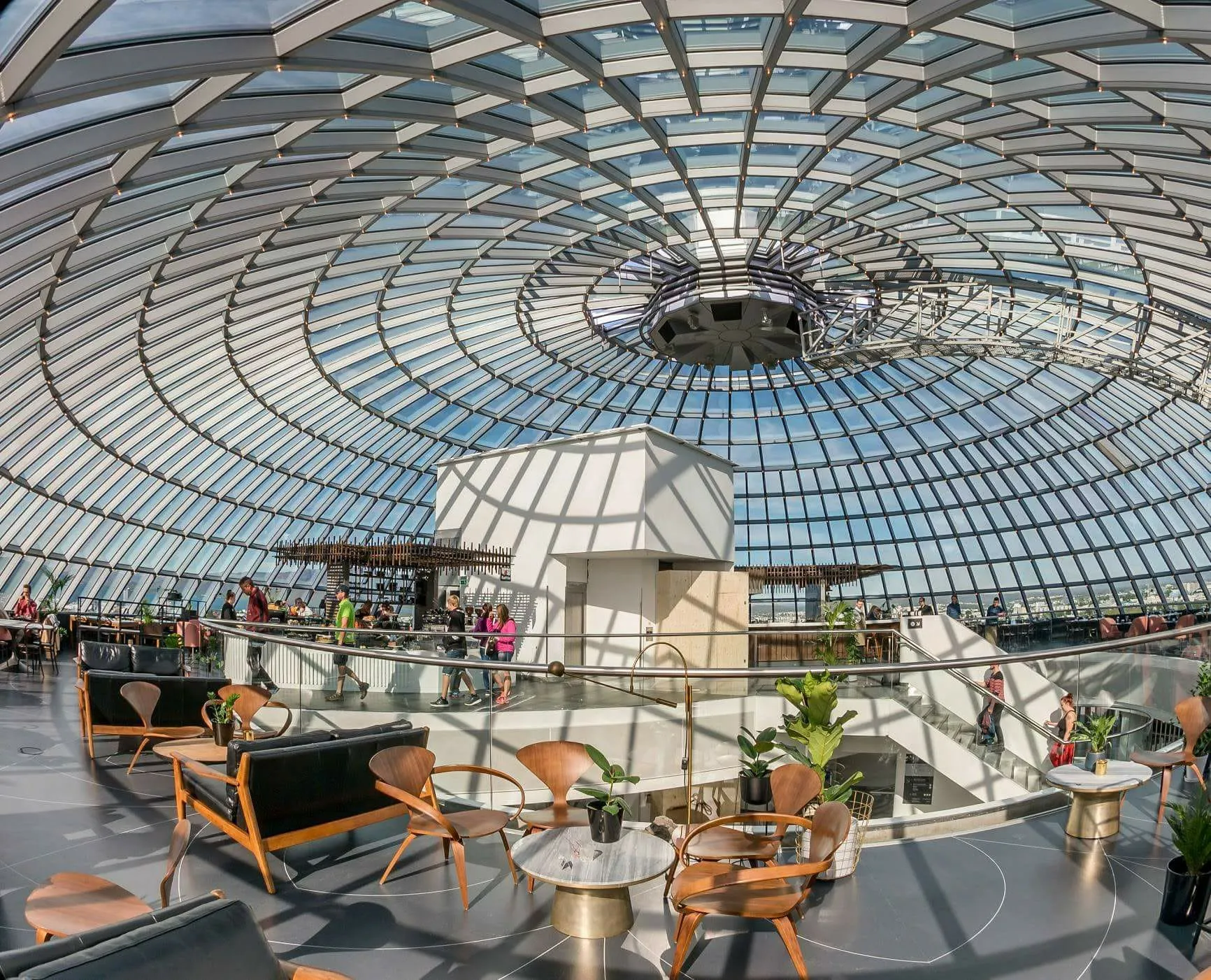
This transformation respects both function and place. The dome opens to the horizon; the decks carry you into weather; the inside gathers the island’s elements in soft light. Practical roots, playful present.
Walkways, forests & city views
Outside, Öskjuhlíð is a small refuge in the city — a ring of trails and viewpoints that locals use at lunch, at dusk, and when the wind calms. You can circle Perlan, watch planes dip toward the airport, and count rooftops down to the harbour.
The observation deck pulls this together: sea, mountains, neighbourhoods, clouds. Reykjavík is not dramatic like a glacier; it’s gentle like a good walk — Perlan lets you see that.
Ice cave & hands‑on exhibits
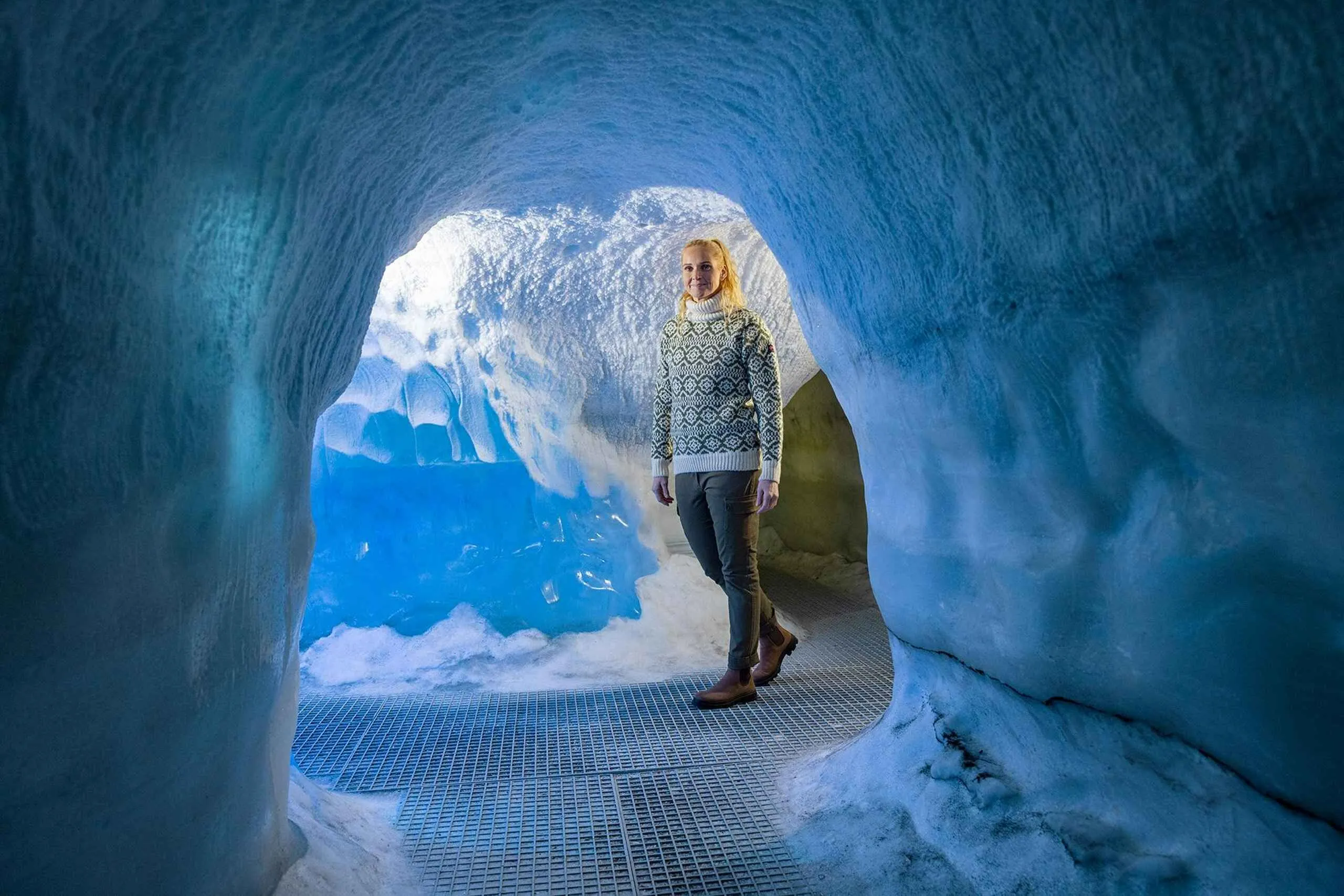
The man‑made ice cave is a small miracle: safe, close, and textured like the real thing. Blue light pools, crystals gloss the walls, and you feel how glaciers are both delicate and vast.
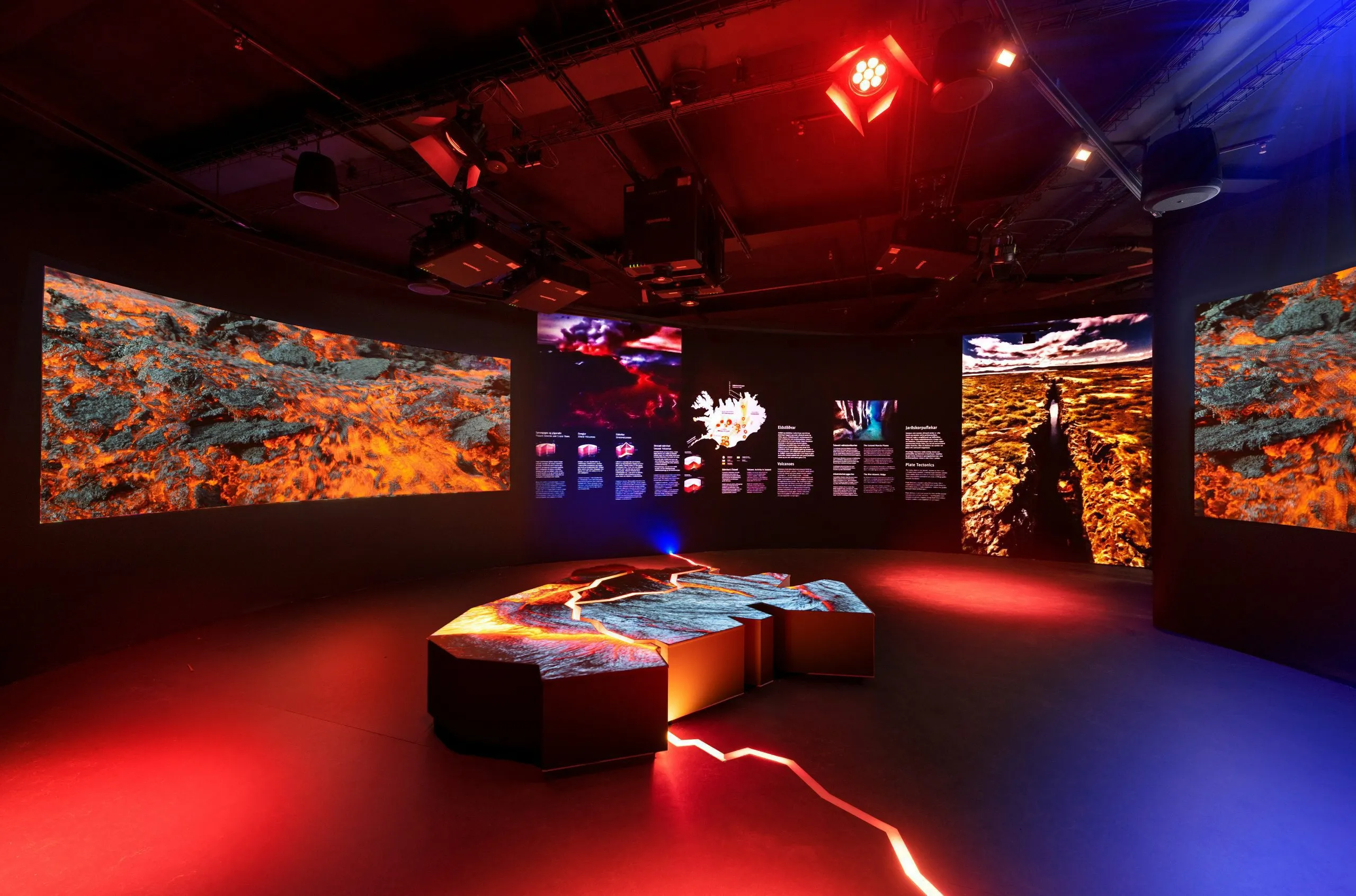
Around it, the Wonders of Iceland exhibits let you test ideas with your hands and eyes: a glacier’s movement, a volcano’s heat, a bird’s migration, an ocean’s current. It’s learning by doing, not just reading.
Buses, paths & routes
Perlan sits close to bus lines and bike paths; taxis and rideshares reach the top quickly. Many visitors simply walk — a short, steady climb through trees.
Guided showtimes bundle time neatly; self‑guided visits let you wander. If the weather changes (and it will), the museum welcomes you inside without missing a beat.
Safety & accessibility
Perlan provides lifts, ramps, and well‑marked routes; staff are available to assist. The deck’s railings are sturdy; surfaces are maintained year‑round.
Access may adjust during severe weather or maintenance. Check updates and let the team know if you need any help — Reykjavík hospitality is real.
Events and culture
Perlan occasionally hosts exhibitions, talks, and seasonal moments — science and art in conversation, under a dome made for gathering.
Watch for family days, collaborations with schools, and special aurora evenings when the city looks up together.
Tickets, passes & combos
Book Áróra showtimes online and add the ice cave; combo tickets simplify the day and often save money.
Check current offers and family packages; flexibility helps if your plans shift with the weather.
Preservation & sustainability
Perlan teaches care by showing how systems connect: glaciers to rivers, volcanoes to air, oceans to birds. Understanding makes protection feel natural.
Choose responsible timings, support local learning, and carry the stories outward — good tourism is simply kindness scaled up.
Nearby nature & viewpoints
Öskjuhlíð’s trails wrap the hill; small viewpoints overlook the runway and harbour. A short walk turns a museum day into a city‑in‑nature day.
Further afield, you can connect Perlan to coastal paths or downtown galleries — Reykjavík rewards meandering.
Why Perlan matters
Perlan turns infrastructure into insight: a practical past becoming a place where learning feels like wonder. It’s a city’s heart looking outward.
If you have only a few hours in Reykjavík, Perlan gives you Iceland’s essentials — light, ice, fire, and view — under one welcoming dome.